

Luck or skill which truly influences your gambling success
The Role of Luck in Gambling
Luck is often seen as the defining factor in gambling, particularly in games of chance such as slots and roulette. These games rely heavily on random number generators, making outcomes unpredictable and reliant on sheer fortune. Many players believe that luck can be their best friend at the table, enabling them to win substantial payouts with minimal effort. If you want to dive into this world, you can log in to 11 Winner to experience the thrill for yourself. This unpredictability is what draws many individuals into the world of gambling, offering the allure of striking it rich with a single bet.

However, it’s important to acknowledge that luck can fluctuate, and while it may lead to impressive wins, it can just as easily result in losses. The psychological aspect of gambling often leads individuals to attribute their wins to luck while ignoring the times they have lost. This selective memory can perpetuate the myth that luck is the sole influencer of gambling success, leading players to chase their next big win, sometimes irrationally. Consequently, the role of luck can create a cycle of highs and lows that can be challenging to manage.
Additionally, the concept of luck varies among different players. Some believe in superstitions, rituals, or “lucky” items that they carry or wear during their gambling sessions. While these beliefs can be comforting, they ultimately highlight the reliance on luck rather than skill. This phenomenon reflects the emotional investment players have in their gambling experiences, indicating that luck, while significant, is not the only aspect that can determine their overall success.
The Importance of Skill in Gambling
Skill plays a crucial role in several gambling games, particularly in those that involve strategy and decision-making, such as poker and blackjack. In these games, players must analyze their opponents, manage their bankrolls, and make calculated decisions based on probabilities and odds. This strategic element significantly differentiates skill-based games from pure chance games, as skilled players can maximize their potential returns over time. The knowledge of strategies and techniques can significantly influence the outcome in such scenarios, making skill a vital component of long-term success.
Moreover, honing one’s skills through practice and experience can yield better results. Players who commit to understanding the intricacies of their chosen games often gain a competitive edge. For example, a skilled poker player can read their opponents’ body language and betting patterns, enabling them to make informed decisions that can lead to winning hands. This process underscores how skill can mitigate the inherent unpredictability of luck, allowing players to create opportunities for consistent success.
In many ways, the relationship between luck and skill is like two sides of the same coin. While luck can provide a quick windfall, it is skill that maintains sustainability in gambling. Players who rely solely on luck often find themselves facing significant losses in the long run, while those who develop their skills can weather the fluctuations of luck more effectively. This insight emphasizes the importance of skill not just in gambling but in life decisions as well, showcasing the balance needed to achieve lasting success.
The Psychological Aspect of Gambling
The psychology behind gambling is complex, often shaped by the interplay of luck and skill. Players frequently experience a range of emotions, from excitement during wins to frustration during losses. This emotional rollercoaster can cloud judgment, leading to impulsive decisions that may not reflect a player’s true skill level. Understanding how psychological factors influence gambling can empower players to make more informed choices and minimize the risks associated with their activities.
Cognitive biases, such as the gambler’s fallacy, can also skew perceptions of luck and skill. This fallacy occurs when players believe that past outcomes influence future results, prompting them to chase losses or stick to “lucky” patterns. By recognizing these biases, players can develop a more grounded approach to their gambling activities, focusing on skill development rather than relying purely on luck. This understanding can ultimately lead to a more sustainable gambling experience, reducing the likelihood of adverse outcomes driven by emotional decision-making.
Additionally, responsible gambling practices are essential for maintaining a healthy relationship with luck and skill. Players need to set limits and recognize when to walk away, regardless of their current standing. This self-awareness not only fosters a healthier gambling environment but also emphasizes the importance of skill in self-management. By prioritizing responsible gambling, individuals can cultivate a mindset that values both skillful play and the acceptance of luck’s unpredictable nature.
Balancing Luck and Skill for Success
Achieving success in gambling requires a delicate balance between luck and skill. Understanding when to rely on intuition versus strategic decision-making can enhance the overall gaming experience. Players who recognize the role of both elements can better position themselves for favorable outcomes. This balance is particularly evident in hybrid games, where elements of chance intersect with skill-based strategies, providing players with opportunities for both immediate wins and long-term gains.
For instance, in sports betting, knowledge of the teams, players, and overall game dynamics is essential for making informed bets. While unexpected events can occur during a match, a skilled bettor can analyze trends and statistics to enhance their chances of winning. This ability to adapt and strategize underscores how skill can be a critical factor in navigating the inherent uncertainties that come with luck.
Ultimately, those who thrive in the gambling realm are those who embrace both luck and skill, using each to their advantage. By developing a comprehensive understanding of their chosen games and remaining adaptable, players can cultivate a gambling experience that is not only enjoyable but potentially more lucrative. This holistic approach also fosters a deeper appreciation for the complexities of gambling, making it a more enriching endeavor.
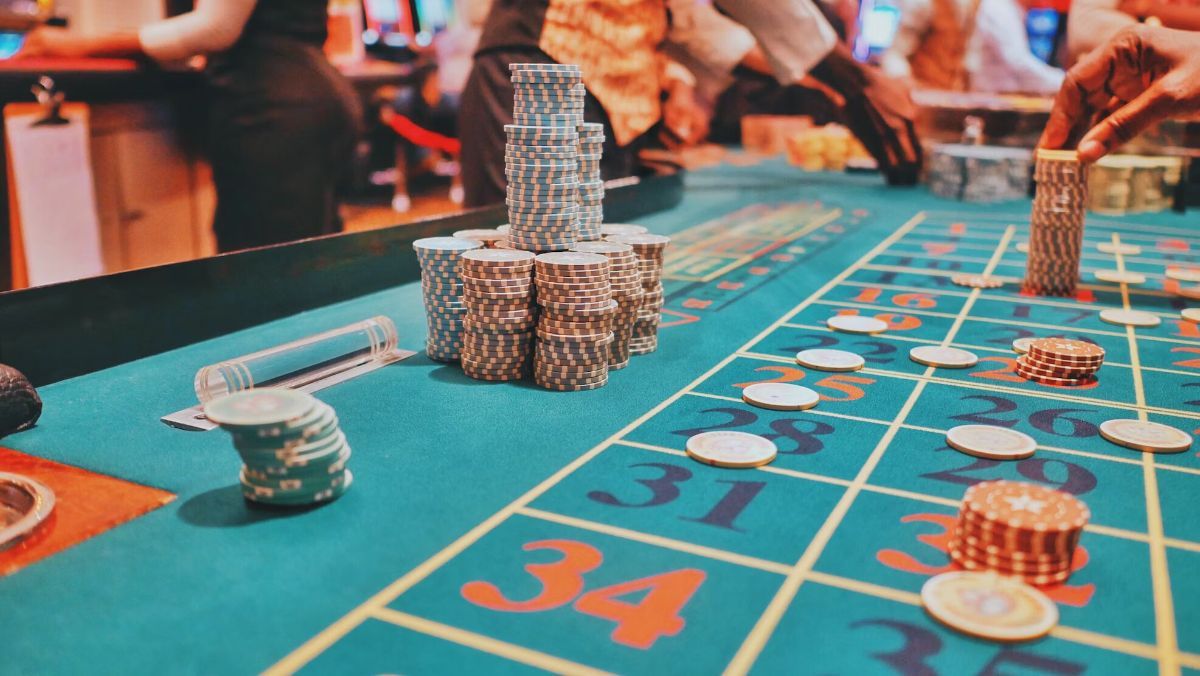
Exploring 11Winner Casino for a Balanced Gaming Experience
For those seeking to navigate the balance between luck and skill in a gambling platform, 11Winner Casino offers an excellent environment. Tailored for Indian players, the site provides a vast selection of games that cater to both luck-focused and skill-based preferences. Whether you enjoy spinning the reels on video slots or testing your skills at live dealer tables, 11Winner Casino prioritizes user experience, ensuring players can find their niche.
Additionally, with localized payment methods and 24/7 customer support, 11Winner Casino enhances the overall gaming experience. The convenience of transactions in Indian Rupees and support for popular platforms like UPI and Paytm reflect the platform’s commitment to meeting the unique needs of its players. This attention to detail fosters a sense of community, making players feel valued and understood.
In conclusion, while both luck and skill significantly influence gambling success, platforms like 11Winner Casino provide the tools and opportunities to harness both elements effectively. By engaging with a reputable site designed for a seamless experience, players can explore their potential for success in a responsible and enjoyable manner. Embracing the balance between luck and skill can lead to a more rewarding gambling journey, making every moment spent at 11Winner Casino a thrilling adventure.


Deixe um comentário